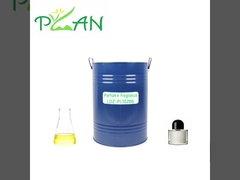
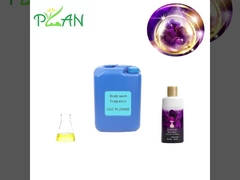
Brief: Curious about how this performs in practice? Join us for a hands-on look at our Freesia-Lily Essence Fragrance Oil. In this video, we demonstrate its sophisticated floral composition, showcase its performance in various wax applications, and explain how it delivers a commanding yet graceful scent throw perfect for premium candle production.
Related Product Features:
Exquisitely curated floral composition capturing the pristine atmosphere of a formal white garden with botanical realism.
Engineered for a sophisticated olfactory experience transitioning from a fresh, ozonic opening to a deeply romantic floral heart.
High-performance scent throw that is both commanding and graceful in wax applications.
Transparent and ethereal nature evoking feelings of serenity and modern luxury.
Excellent hot and cold throw with strong, steady aroma diffusion while burning and noticeable scent when unburned.
Compatible with various waxes including soy, beeswax, coconut, paraffin, and blends without affecting structure or combustion.
High flash point exceeding 93°C ensures safety during production and preserves delicate top notes.
IFRA compliant and environmentally friendly formula with VOC content below 1%.
FAQs:
What is the recommended dosage for using this fragrance oil in candle production?
The recommended dosage is 6%-10% for candle production and 15%-20% for diffuser applications to achieve optimal scent performance.
How quickly does this fragrance oil diffuse when used in candles?
It offers excellent thermal diffusion, capable of filling a space of 20-30 square meters within 3-5 minutes after lighting the candle.
Is this fragrance oil compatible with different types of wax?
Yes, it blends seamlessly with various common waxes including soy wax, beeswax, coconut wax, paraffin wax, and blends without affecting the wax structure or combustion performance.
What safety and compliance standards does this fragrance oil meet?
It complies with IFRA standards, has passed skin irritation testing, and features VOC content below 1%, meeting regulatory standards like CARB for environmental safety.